

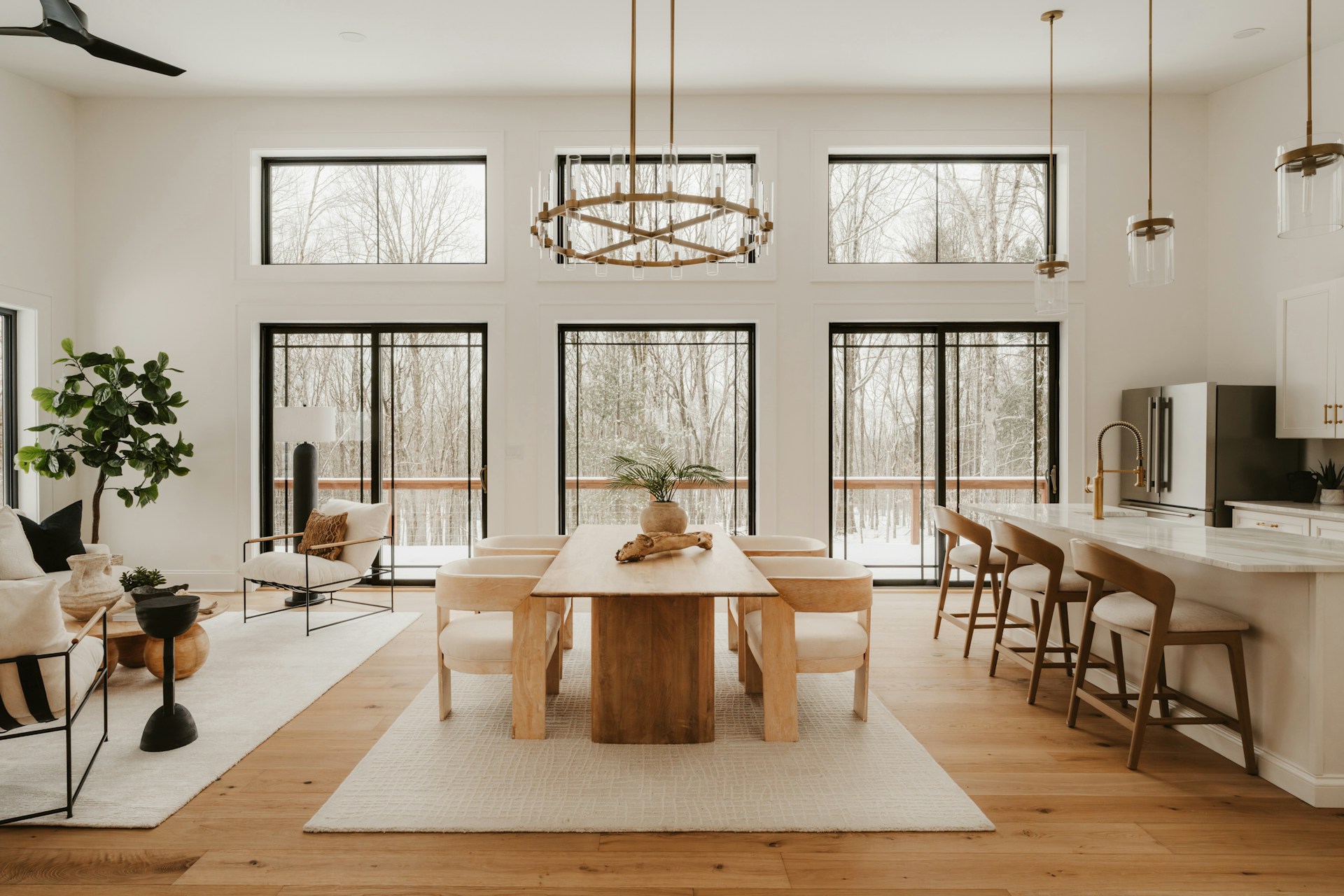
A peaceful home begins with an environment that feels comfortable, organized, and free from unnecessary distractions. Minimalist home decor offers a practical way to create such a space by focusing on simplicity, functionality, and carefully selected design elements. Rather than filling every corner with furniture and accessories, this approach encourages homeowners to prioritize what they truly need and love. Whether you live in a spacious house or a small apartment, minimalist interior design can help make your surroundings feel more open and inviting. With a few thoughtful changes, you can transform your home into a relaxing retreat that reflects your personal style while staying clean and balanced.
Embrace a Neutral Color Palette
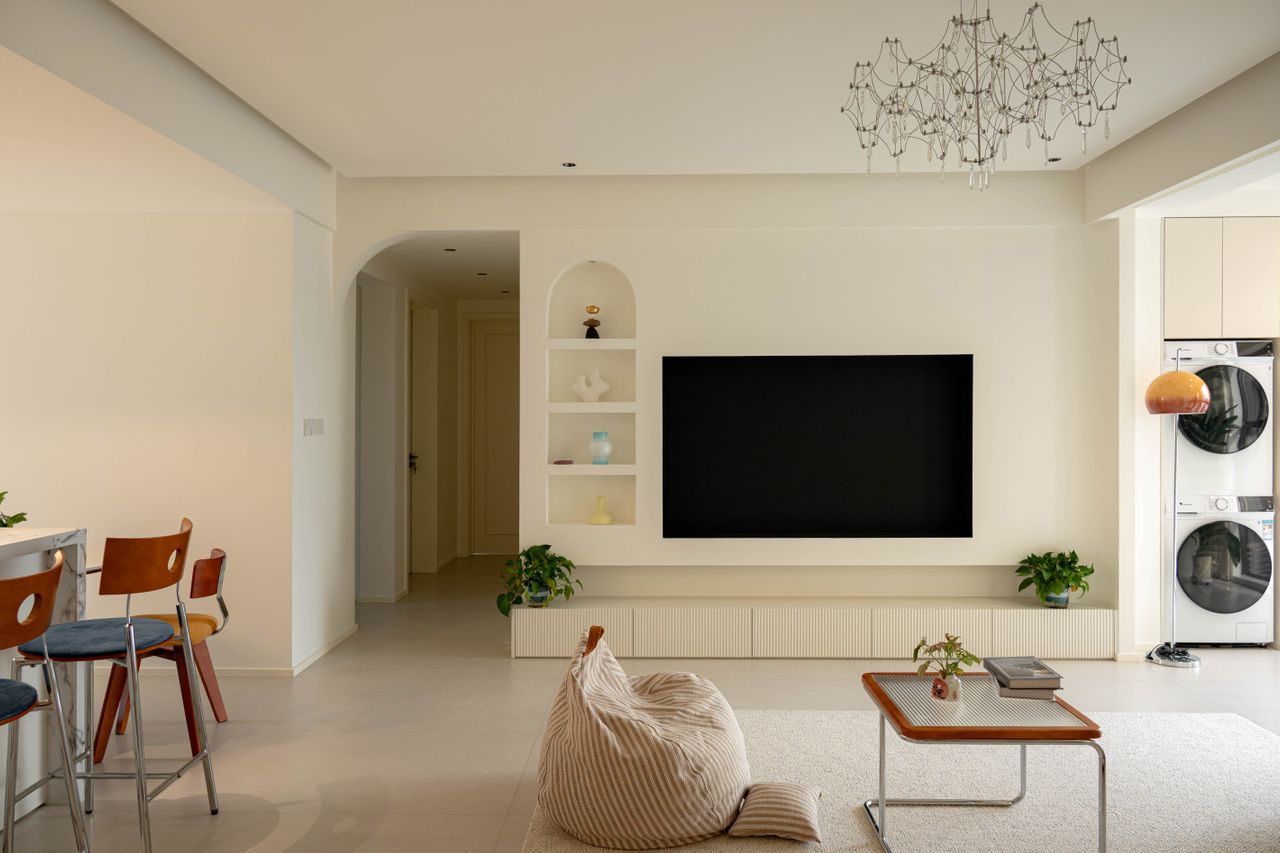
Neutral colors define minimalist home decor. Shades such as white, beige, cream, soft gray, and warm taupe create a cohesive appearance and help rooms feel brighter and more spacious. These colors also provide a versatile foundation for incorporating different textures and natural materials without overwhelming the design. To keep your home from feeling too plain, pair complementary shades and add subtle contrast through cushions, rugs, curtains, or wooden accents. A carefully chosen color palette brings visual harmony to your interiors and creates a soothing atmosphere throughout your home.
Choose Functional and Simple Furniture
Minimalist furniture combines practicality with understated design. Instead of overcrowding a room with multiple pieces, select furniture that serves a clear purpose and complements the available space. A streamlined sofa, a simple dining table, or a bed with built-in storage can add comfort without cluttering the room. Look for clean lines, balanced proportions, and durable materials that suit your lifestyle. Before purchasing new furniture, consider how often you will use it and whether it improves the room’s functionality. Thoughtful furniture choices help keep the layout uncluttered while keeping your home comfortable and welcoming.
Declutter and Keep Surfaces Clear
A clean, peaceful home starts with fewer unnecessary belongings. Minimalism does not mean removing everything you own; it means keeping items that serve a purpose or bring genuine enjoyment. Start with visible areas like kitchen counters, coffee tables, bedside cabinets, and shelves. Store everyday essentials in designated places and donate items that you no longer need. Establishing simple organizing habits can prevent clutter from gradually returning. Clear surfaces create a more orderly look, make cleaning easier, and let your favorite decorative pieces stand out without competing for attention.
Make the Most of Natural Light
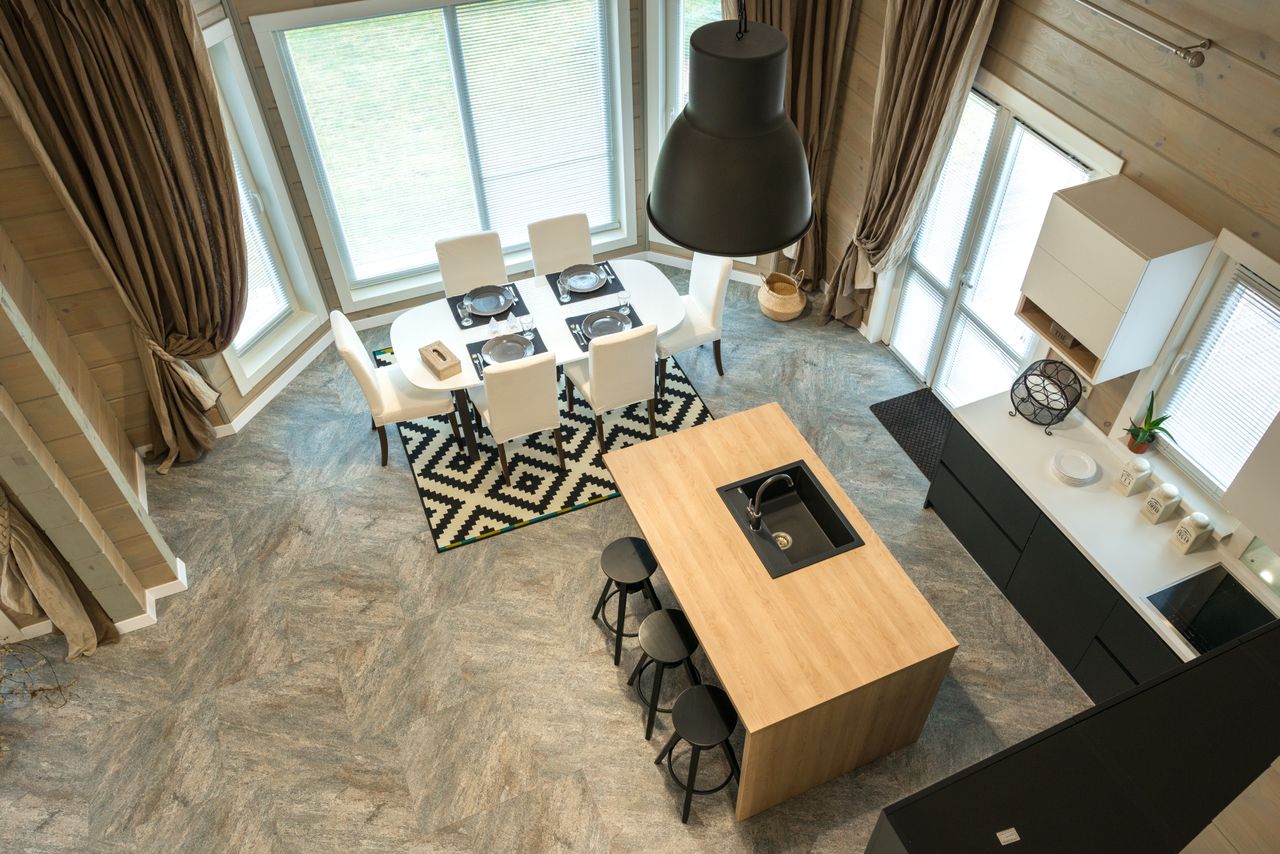
Natural light can dramatically improve a minimalist home’s appearance and atmosphere. Bright rooms often feel more open, fresh, and inviting, making daylight an important element of interior design. Use lightweight curtains or simple window coverings that let in sunlight while providing the privacy you need. Position mirrors strategically to reflect available light and create a greater sense of space. Keeping windows clean and avoiding bulky furniture near them can also improve daylight flow. When natural light is limited, choose warm, layered artificial lighting to maintain a comfortable and balanced environment.
Incorporate Natural Materials and Textures
Minimalist interiors can feel warm and inviting when you use natural materials thoughtfully. Wood, linen, cotton, stone, rattan, and wool introduce subtle texture while maintaining a simple aesthetic. For example, a wooden coffee table, linen curtains, or a woven basket can add character without overwhelming the room. Mixing textures also adds visual interest to spaces that rely on neutral colors. Choose materials that are practical, durable, and suited to your needs. These natural elements help balance the clean lines of minimalist furniture with a softer, more comfortable atmosphere.
Add Carefully Selected Decorative Accents
Decorative accessories can add personality to a minimalist home without creating unnecessary visual clutter. Instead of displaying numerous ornaments, choose a few meaningful pieces, such as a framed print, a ceramic vase, or a small collection of books. Indoor plants can also introduce natural color and make a room feel more lively. Consider the size, placement, and visual impact of each item before adding it to a space. Leaving some surfaces and walls intentionally empty allows the remaining decor to stand out. The goal is to create a balanced environment that feels personal, not sparse or impersonal.
Minimalist home decor creates a home that feels peaceful, functional, and visually balanced. By choosing neutral colors, practical furniture, natural materials, and carefully selected accessories, you can build a comfortable environment without unnecessary clutter. Remember, successful minimalism isn’t about having less for its own sake; it is about making room for what matters most.


