

Tag: building
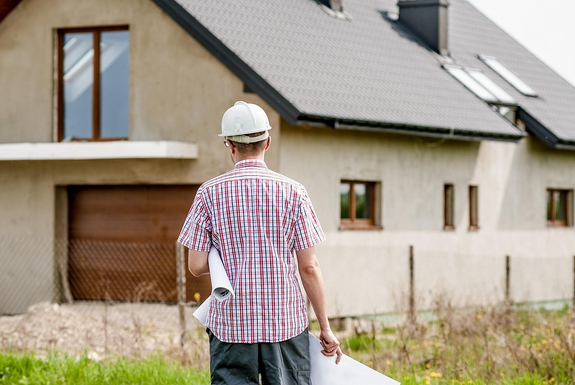
Common Pitfalls Homeowners Face When Building Their Own House
Building a house is a dream for many homeowners, yet the process can quickly become overwhelming without careful planning and awareness. Many first-time builders encounter avoidable mistakes that can lead to budget overruns, delays, and frustration. Understanding potential pitfalls in advance helps homeowners approach construction with confidence and clarity. By identifying common errors early, you can take proactive steps to reduce stress and achieve a smoother building experience. From budgeting miscalculations to communication breakdowns with contractors, the challenges are varied. In this guide, we explore the top mistakes homeowners often make when constructing their own house, offering practical advice to keep your project on track.
Inadequate Budget Planning
One of the most frequent mistakes in home construction is underestimating costs. Homeowners often fail to account for hidden expenses such as permits, inspections, utility connections, and unexpected material price increases. Overlooking these costs can derail a project or force compromises on design and quality. Establishing a comprehensive budget at the outset, including a contingency money for unforeseen expenses, is critical. Tracking expenditures carefully throughout construction also helps prevent overspending. By setting realistic financial expectations, homeowners can maintain control over the project and avoid unnecessary stress that stems from financial surprises.
Skipping Detailed Planning and Design

Rushing the planning and design phase is another common pitfall. Some homeowners jump into construction without fully considering layout, functionality, or lifestyle needs. Inadequate planning can result in inefficient spaces, design conflicts, or costly changes during the build. Taking the time to finalize floor plans, room sizes, and aesthetic elements before construction begins ensures smoother execution. Engaging with architects or designers to refine ideas and identify potential issues early can save significant time and money. Proper planning lays a good foundation for a home that aligns with your vision while minimizing disruptions during construction.
Ignoring Regulatory Requirements and Permits
Compliance with building codes, zoning regulations, and necessary permits is often overlooked by homeowners eager to start construction. Failure to obtain proper approvals can lead to delays, fines, or the need to redo work. Understanding local requirements and securing all permits before breaking ground is crucial. Engaging professionals familiar with regulatory standards ensures your project meets legal obligations while avoiding costly complications. This step not only protects your investment but also contributes to the safety, legality, and long-term value of your home.
Poor Contractor Selection and Communication
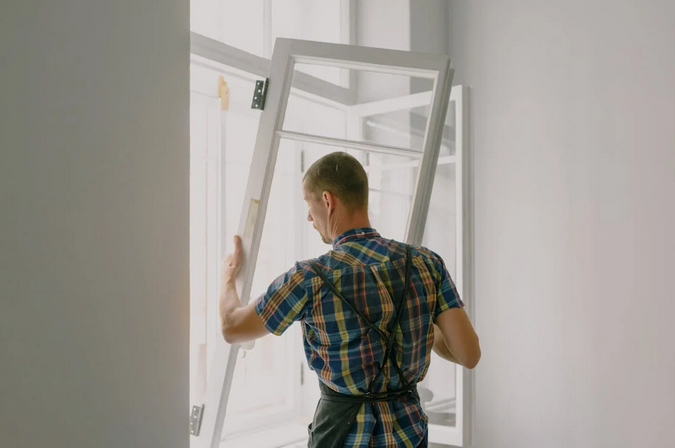
Choosing the wrong contractor or failing to communicate effectively can lead to serious problems. Contractors may vary in experience, reliability, and attention to detail, making selection critical. Homeowners often assume a lower bid guarantees quality, which is not always the case. Additionally, unclear communication regarding expectations, timelines, or materials can result in mistakes or disputes. Establishing clear contracts, regular progress updates, and mutual understanding of goals reduces misunderstandings. Investing time in researching and vetting contractors, including checking references and past projects, is essential for a smooth construction experience.
Neglecting Maintenance and Long-Term Considerations
Many homeowners focus solely on immediate construction needs and overlook long-term maintenance considerations. Selecting materials without evaluating …